The pioneers who taught us to look
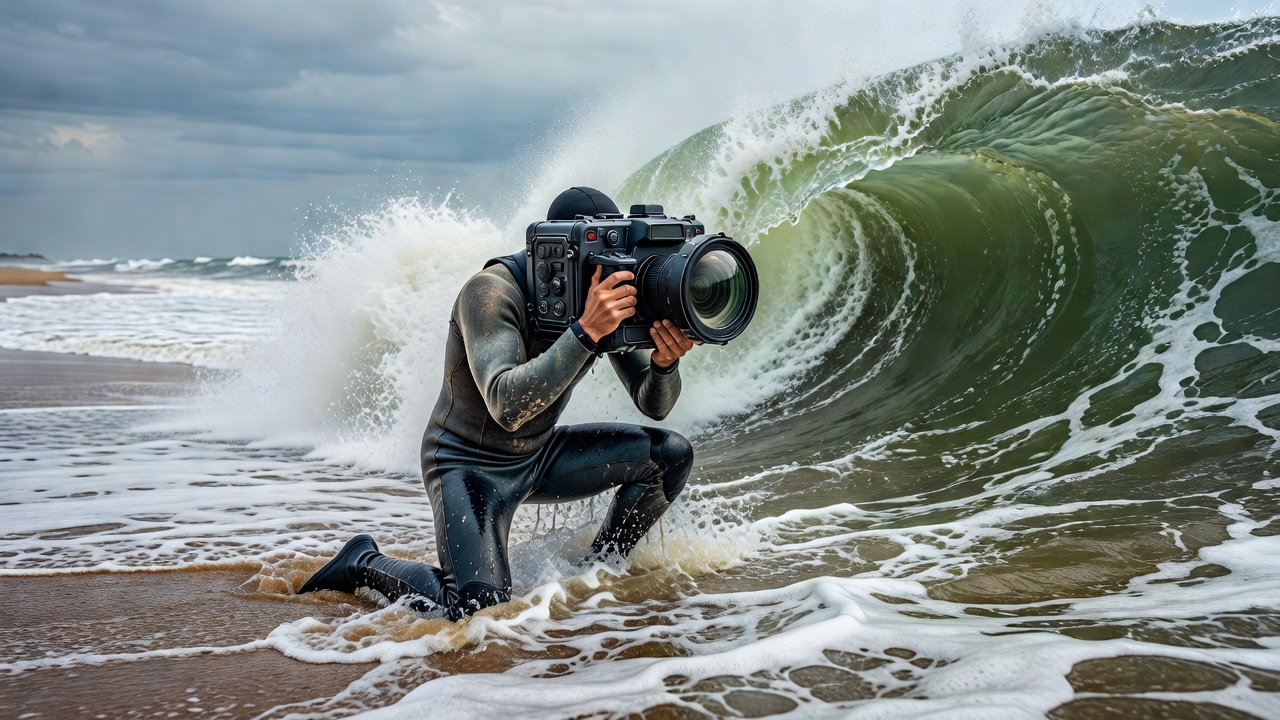
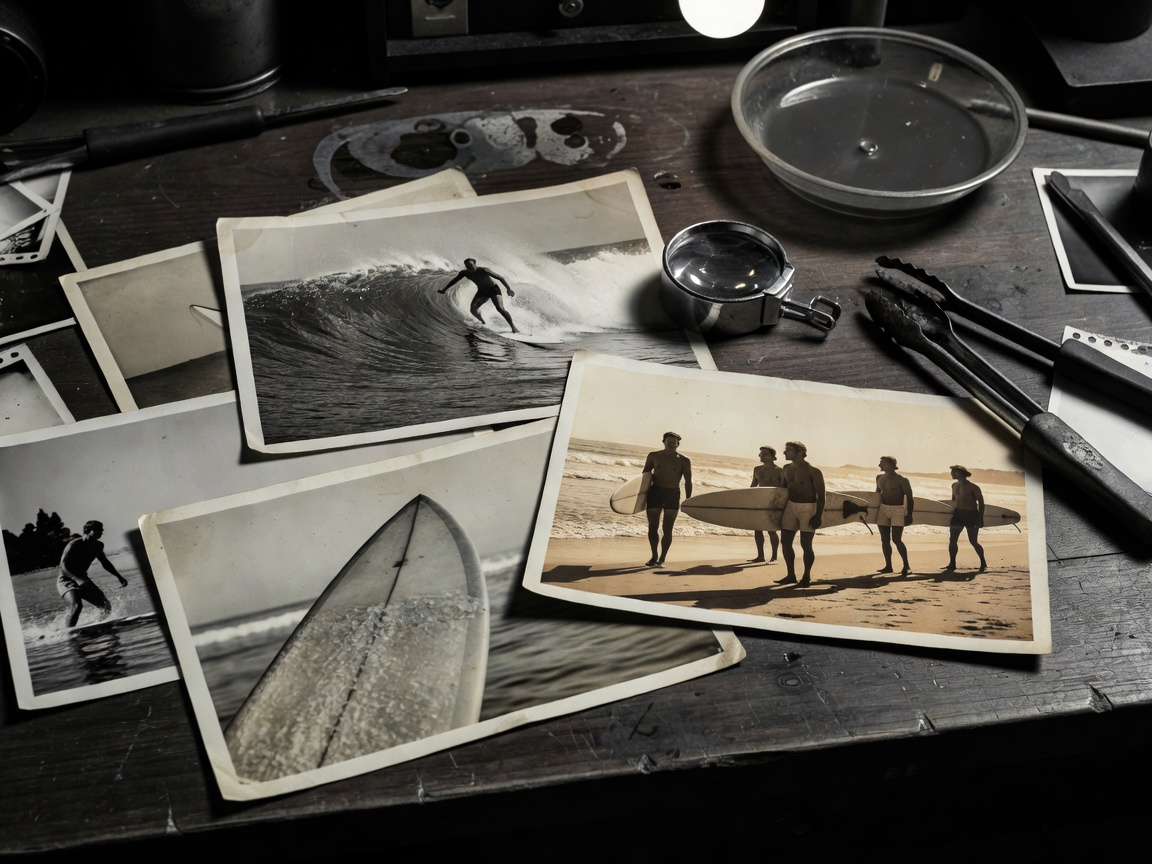
Surf photography grew up alongside surf film, often in the same hands. Dr. Don James photographed California and Hawaii from the 1930s onward. LeRoy Grannis, who took up surf photography seriously in his late forties, documented the 1960s California boom with a calm, observational eye; his images now read as the visual record of an era. Ron Church pushed into the water with early housings, and John Severson used photography to launch The Surfer in 1960, the magazine that set the genre's visual standards for decades.
Later generations broadened the vocabulary. Art Brewer and Jeff Divine brought portraiture and documentary sensibility into the magazines. Clark Little made the shorebreak itself a subject, shooting from inside waves as they detonate on the sand. Australian photographer Ray Collins became known for portraits of open-ocean swells with no surfer at all, treating water like geology.
Four decisions in every frame
1 · Distance
Long lens from land compresses the wave and isolates the surfer. Wide lens in the water exaggerates scale and puts the viewer inside the curl.
2 · Height
Low angles make a wave tower; elevated cliff angles reveal reef patterns and the shape of the line-up.
3 · Moment
Peak action, or just before? Many iconic images capture anticipation — the surfer setting a line — rather than the climax.
4 · Subject
Surfer, wave, crowd or community? Deciding what the photo is "about" is the heart of the craft.

“Burst mode gives you thirty frames. It doesn't tell you which one is true. That choice is still yours.”— Surf photographer, recounted to Reelcactussaga
Light, shutter and the texture of water
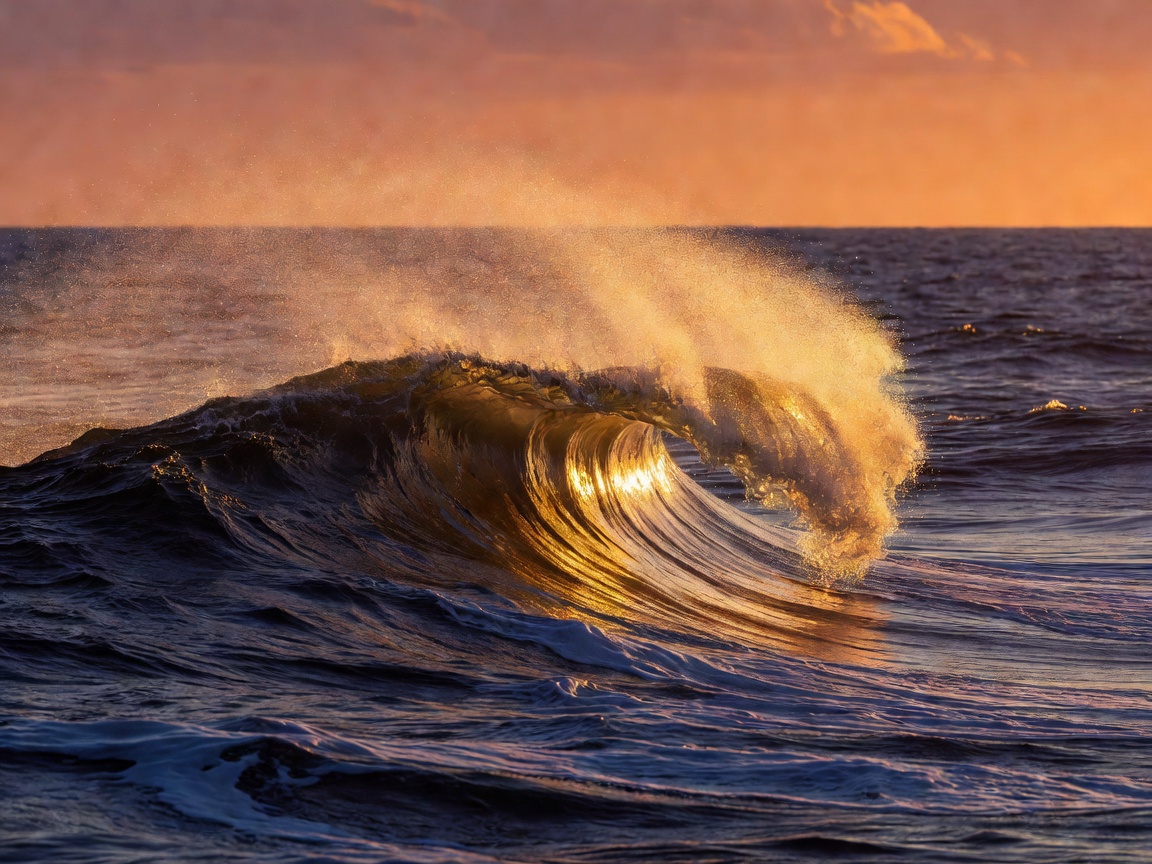
Wave photographers work with the sun, not against it. Backlight at dawn or dusk turns a thin lip translucent and fills spray with glow; front light in the middle of the day shows colour and reef detail but can flatten the face. Offshore winds hold waves up and throw spray off the back, a gift for silhouettes.
Shutter speed sets the texture. Fast speeds — often 1/1000 second or quicker — freeze droplets like glass beads. Deliberately slow shutters with panning blur the background into streaks and leave the surfer sharp, an effect that suggests speed better than any sharp frame. A polarising filter can cut glare on the surface, though it costs light.
What filmmakers borrow from stills
- Composition holds attention. A strong still has a clear subject and room for the wave to move. Filmmakers who frame like photographers produce shots an editor can hold longer.
- The decisive moment exists in video too. A slow-motion shot is essentially a sequence of stills. Knowing which frame carries the meaning helps an editor decide where to slow down.
- Portraits complete the story. The magazine tradition of shooting surfers on land — waxing boards, laughing in car parks, staring at the sea — gives films their human glue.
- Restraint is a style. Ray Collins's surfer-free waves remind us that the ocean can be the protagonist.