Whose story are we following?
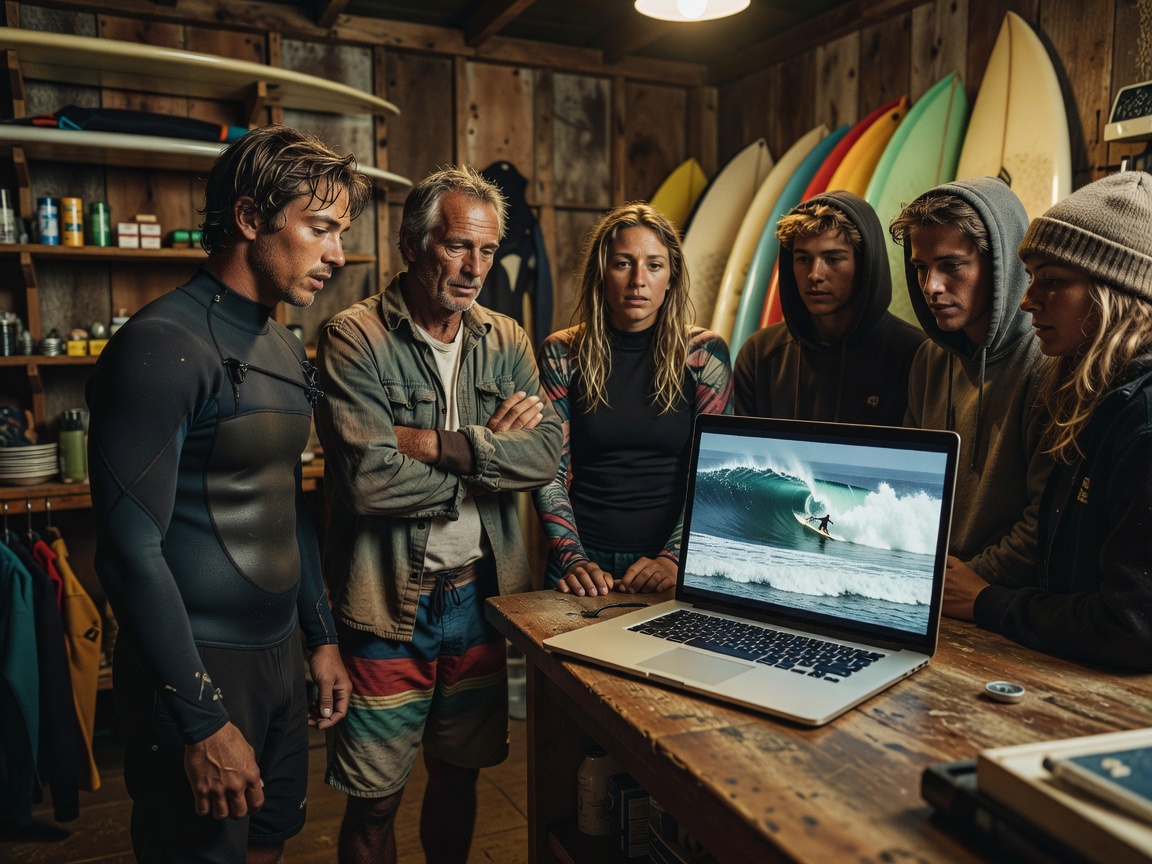
Every surf documentary starts with a choice of subject, and that choice shapes everything. Riding Giants (2004) built its history around a handful of big-wave pioneers — Greg Noll, Jeff Clark and Laird Hamilton — and its director Stacy Peralta, himself a former skateboarder, knew how to turn subcultural history into drama. Step Into Liquid (2003), by Dana Brown, Bruce Brown's son, went wide instead, celebrating surfers from Vietnam to Wisconsin. Momentum Generation (2018) narrowed to one group of friends and found its power in what the surfing cost them.
For emerging filmmakers the lesson is to commit. A film about "surfing in Cornwall" is a brochure; a film about one shaper rebuilding a business after a winter storm is a story. Research local history, talk to elders in the community, and ask what the people closest to the water think outsiders always get wrong.
Rushes: the mountain of maybe
Surf trips generate overwhelming footage: many cameras, high frame rates, and hours of waiting caught "just in case". Editors start by logging — naming clips by surfer, wave, angle and quality — then building a selects reel of the strongest moments. A string-out lines up the best rides in rough order so the team can see what the trip actually produced, not what they hoped it would.

Structure: shaping a tide into a story
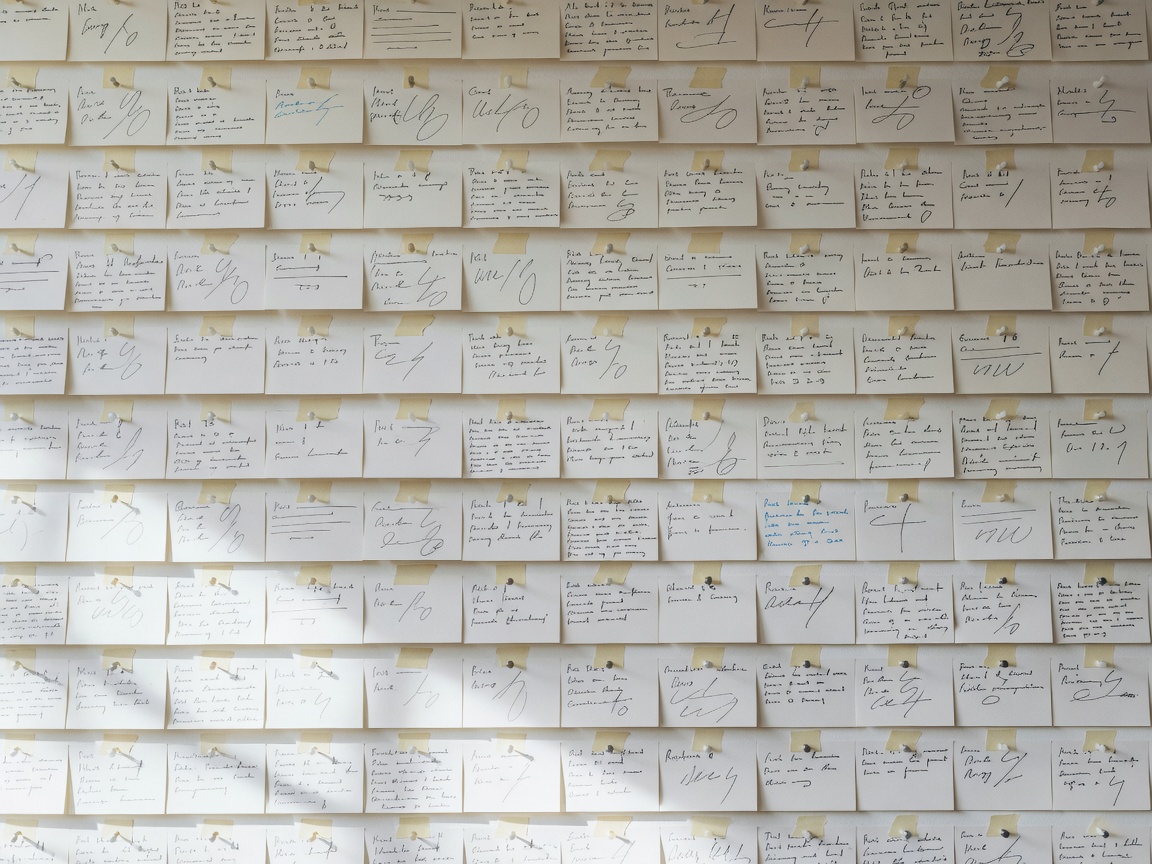
Classic surf movies like Five Summer Stories (1972) used segment structure — a chapter per surfer or location, stitched by music. Modern documentaries tend toward character arcs: a goal, an obstacle, a reckoning. Many editors build a "paper edit" first, writing scenes on cards to test the story before touching the timeline.
- Open with a question. Why does this person keep paddling out? The film then earns its answer.
- Vary scale. Alternate wide coastline shots with close human moments so the ocean never becomes wallpaper.
- Ration the best wave. Hold the strongest ride for the moment it carries emotional meaning, not simply for the end.
- Let flat days breathe. Scenes without surf give the audience time to care about the people.
Sound, music and archive
Music has always been half of surf film. Bruce Brown's films leaned on surf rock and his own wry narration; Morning of the Earth produced a celebrated Australian soundtrack album; Thomas Campbell's The Seedling (1999) and Sprout (2004) paired alternative boards and travel with indie and folk music that defined a mood. But the most powerful edits often cut the music entirely and let the roar of the wave carry the moment. Editors use J-cuts — bringing a wave's sound in before its picture — to pull the audience into the water.
Archive footage brings depth and legal work. Clips from Bud Browne, the MacGillivray-Freeman films or old television coverage must be licensed from rights holders, and music licensing can cost more than the shoot. Budget for clearances early, and keep records of every permission.
Ethics: what the edit owes the ocean
An edit can make a dangerous wave look easy or a gentle one look terrifying. It can turn a community into a backdrop. Responsible surf documentarians show people their scenes before release when possible, credit local knowledge, avoid exposing secret or fragile places, and are honest about staging. Ocean adventure films carry another responsibility: showing environmental pressure — reef damage, coastal development, plastic — without turning communities into props for an outsider's message.

“The waves were never the problem. The hard part was deciding when a surfer's bad day was their business and when it was the story.”— Documentary editor, recounted to Reelcactussaga