Position is the first creative choice
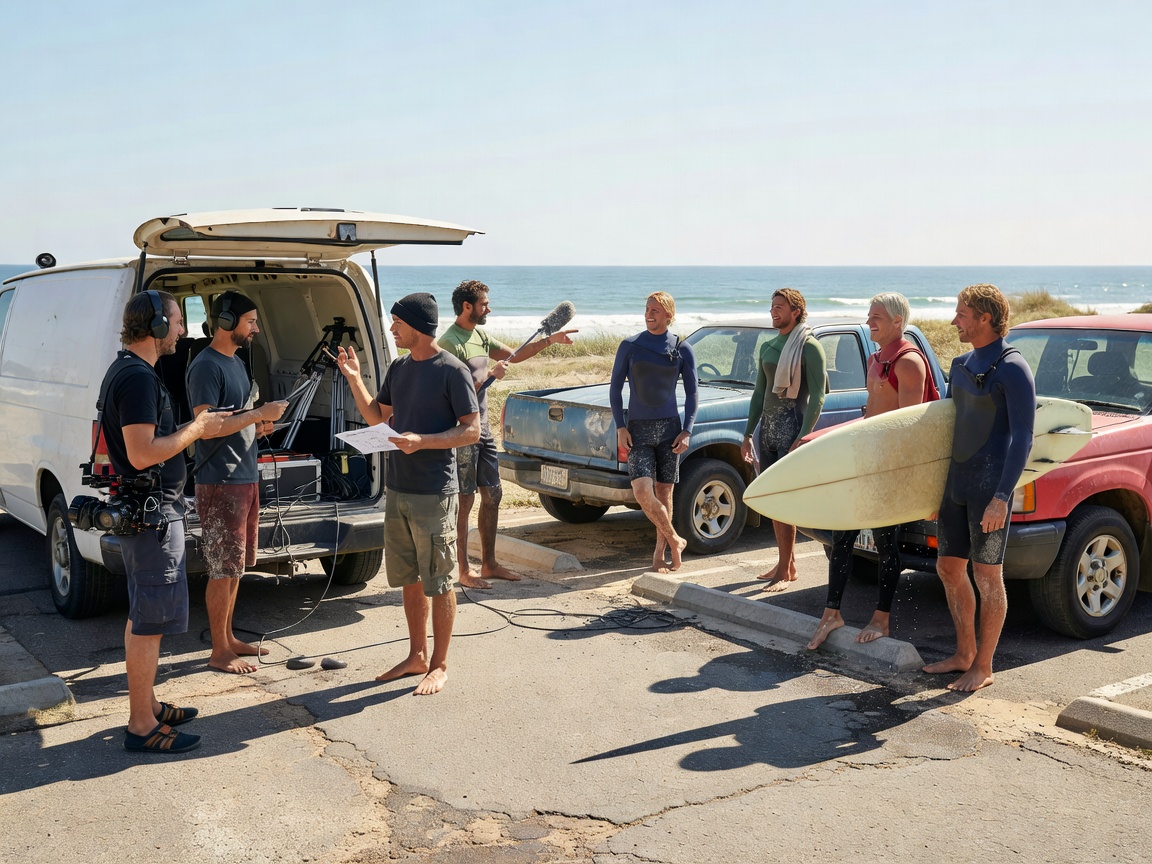
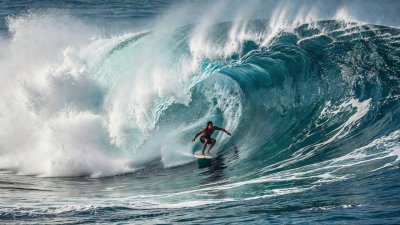
Every surf shot begins with a spot on the map. On land, that means picking an angle relative to the peak: square-on for a clean profile of the ride, slightly down-line to see the surfer coming toward you, or up-line to show the wave racing away. At Pipeline, photographers and filmers crowd the sand because the wave breaks so close that a long lens can fill the frame with the barrel. At a long right point like Jeffreys Bay, the smart operator climbs the rocks to follow a ride that can run for hundreds of metres.
In the water, positioning becomes physical. A water shooter treads in the zone where waves break or just beyond it, often with swim fins and a housing on a pistol grip. Too deep and the surfer passes behind the lip; too shallow and the operator gets steamrolled. The best water filmmakers read sets, currents and the surfer's habits so well that they're in the right place before the surfer has committed to the wave.
Both approaches trade something. Land footage is stable, safe and repeatable. Water footage is immersive and dangerous, and you rarely get a second take. Most memorable surf films mix them, cutting from a distant establishing shot to the intimacy of a camera inches from the face.
The kit, without the gear-shop gloss
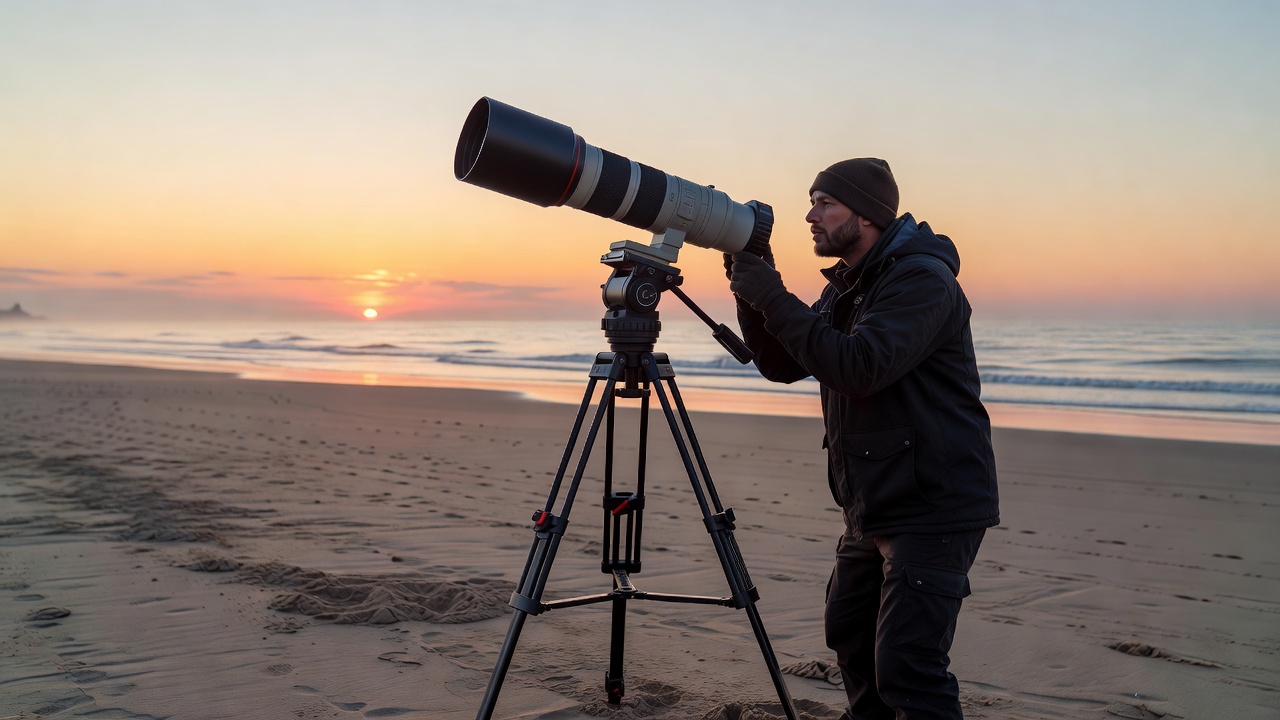
- Long lenses on solid legs. Land crews often run 400–800mm equivalents. A heavy tripod with a plate or board underneath stops legs sinking into wet sand mid-pan.
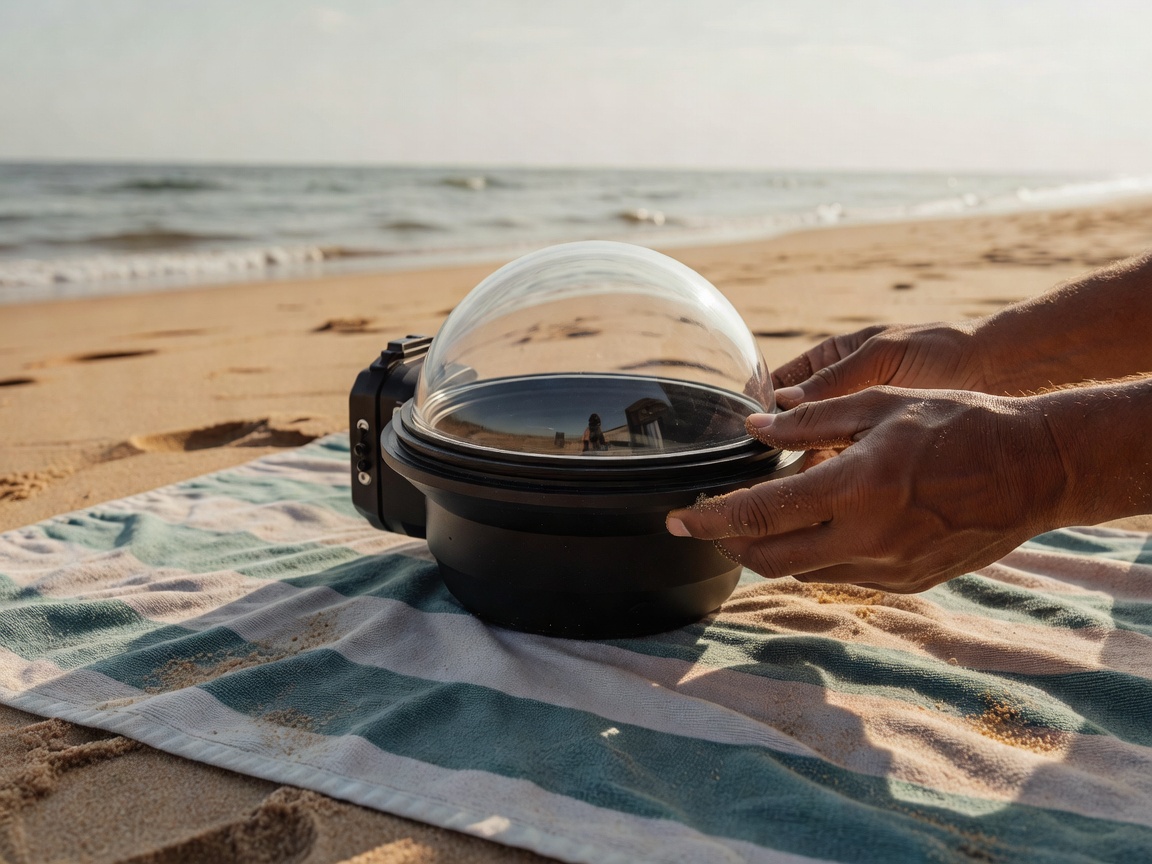
- Water housings. Dome ports allow wide shots and the split-level "over-under" frame; flat ports suit longer lenses. Housing makers such as SPL and AquaTech built much of the modern craft.
- Droplet control. A water droplet on the dome ruins a frame. Shooters treat ports with hydrophobic coatings or, in the old tradition, simply lick the dome before a set.
- Drones. Overhead angles changed how audiences read lineups, but local aviation rules, crowds and wind all limit flying. Check regulations before you pack one.
- Safety layer. Big-wave crews add jet skis, rescue sleds and spotters. At that level a cinematographer is part of the safety system, not just an observer.
Motion, time and the slow-motion habit
Shooting at high frame rates — commonly 120 or 240 frames per second, and far higher on specialist cameras such as Phantom bodies — lets an editor stretch a barrel into several seconds of screen time. It reveals details the eye misses: how a lip feathers before it throws, how a surfer's back hand drags against the face to stall. Used carefully it creates awe. Used everywhere it flattens a film, because when everything is slow, nothing feels urgent.
Shutter speed matters as much as frame rate. A fast shutter freezes spray into crisp droplets; a slower one softens it into movement. Many filmmakers deliberately shoot some sequences in real time to keep the ocean's rhythm intact, then save slow motion for the moment that carries emotional weight.
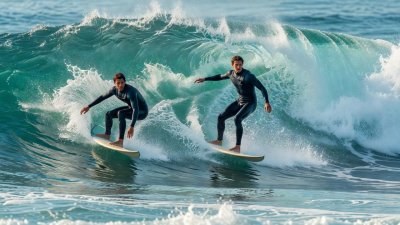
Camera movement is the final ingredient. The land operator's pan is a performance in itself: a smooth, anticipatory follow that keeps the surfer slightly behind centre so the wave ahead has room to unfold. Water shooters do the opposite, letting the camera ride the chaos so the audience feels the drop.
Etiquette in someone else's lineup
A camera changes a surf spot. It brings attention, crowds and sometimes resentment. Thoughtful filmmakers ask local surfers before filming, avoid naming fragile or secret spots, keep drones away from people in the water, and never let the pursuit of a shot put a surfer in danger. The surf community remembers who respected the place.

“I spend the first morning at a new spot without filming. I just watch and talk. It changes everything about the footage I get later.”— Land operator, recounted to Reelcactussaga